About This Trip
The Natchez Trace Parkway is a 444-mile National Park Service-managed scenic highway running diagonally from Nashville, Tennessee through the corner of Alabama and down to Natchez, Mississippi on the Mississippi River. Like the Blue Ridge Parkway, it allows no commercial traffic, has a 50 mph speed limit throughout, and no traffic lights, intersections at grade, or billboards for its entire length.
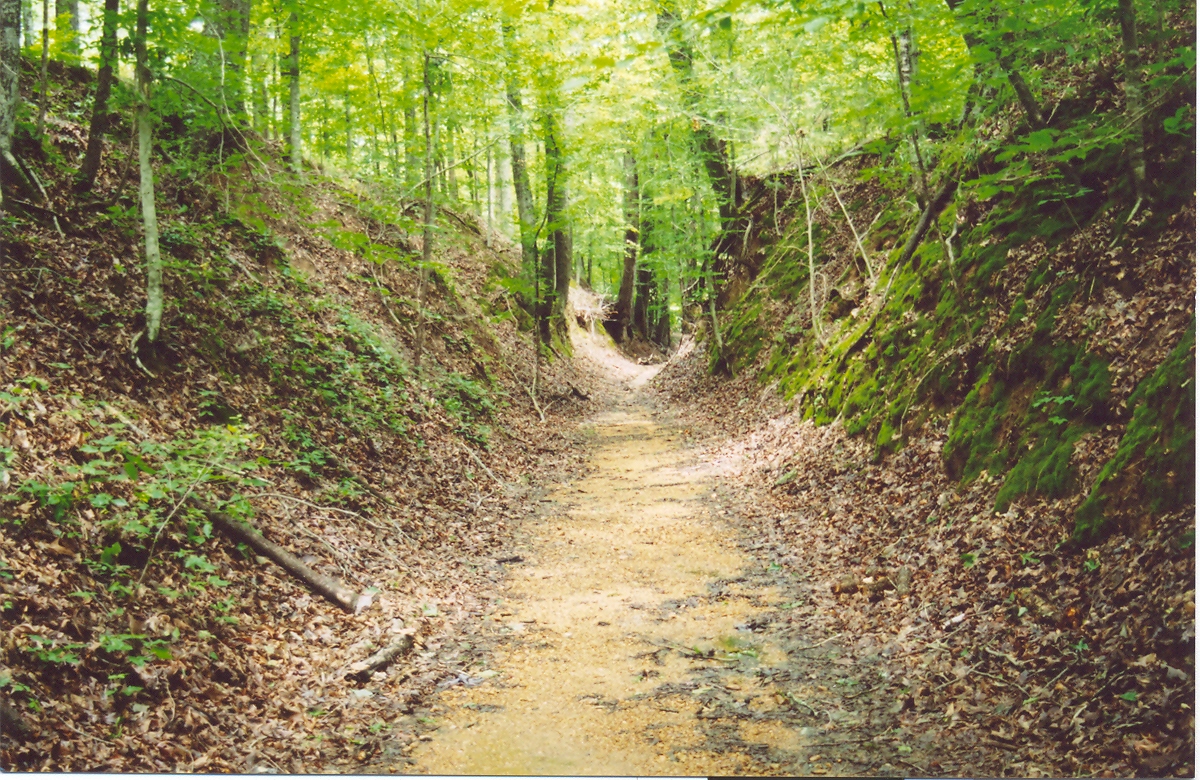
The road traces the path of the 'Old Trace' — an ancient Native American footpath that became the primary overland route home for Ohio Valley boatmen returning north from New Orleans in the early 1800s. The Trace is dotted with historical markers and short interpretive trails — Meriwether Lewis is buried on the parkway (he died at a Trace inn in 1809 under murky circumstances), and the 'Sunken Trace' near Port Gibson shows where thousands of footfalls eroded the soft loess soil into deep grooves.
The Tennessee section, leaving Nashville, opens dramatically over the Birdsong Hollow Double Arch Bridge — a 1,648-foot post-tensioned concrete arch that won the Presidential Award for Design Excellence in 1995. Leiper's Fork, just off the parkway, is a weekend-getaway town with antique shops and small-batch distilleries.
Mississippi is the longest of the three sections. Tupelo (Elvis's birthplace and home of the Parkway visitor center), Mount Locust (one of the last surviving Trace stand inns), and Natchez itself — with its remarkable concentration of antebellum mansions — anchor the southern stretch.
Best for: families wanting a low-stress multi-day road trip with frequent stops, history buffs, fall foliage chasers, cyclists (the parkway is part of the US Bicycle Route System), and anyone who loved the Blue Ridge Parkway and wants more of the same.
Best time to drive: March through May (dogwoods and azaleas) or October through November (fall color). Summer is hot and humid; insects can be intense. Allow 3 to 4 days unhurried, or a long 2 days for a faster pass.
Stops
Nashville, TN — Loveless Cafe Start
The northern terminus is just past the Loveless Cafe on Highway 100 southwest of Nashville — a James Beard-recognized country breakfast institution that's been serving biscuits since 1951. Fuel and eat here before entering the parkway; there are no commercial services on the parkway itself.

Birdsong Hollow Double Arch Bridge (Milepost 438)
Just six miles in, the parkway crosses State Route 96 on a 1,648-foot post-tensioned concrete arch that won the Presidential Award for Design Excellence in 1995. Stop at the overlook on the south side for the iconic photograph.

Meriwether Lewis Monument (Milepost 386)
The grave of Meriwether Lewis (of Lewis and Clark), who died at the Grinder's Stand inn on the Trace in 1809 — by most accounts a suicide, though debate continues. A small but moving site, with a reconstructed cabin and a pioneer cemetery.
Tupelo, MS — Parkway HQ & Elvis Birthplace
Headquarters of the Natchez Trace Parkway and home to the main visitor center, with the best interpretive exhibits on the route. Elvis Presley's two-room shotgun-shack birthplace is a 10-minute detour off the parkway and worth the stop.

Cypress Swamp (Milepost 122)
A 20-minute boardwalk loop through a flooded bald cypress and tupelo swamp, with knees rising from black water and Spanish moss draping the canopy. The most evocative quick stop on the Mississippi section.

Sunken Trace (Milepost 41.5)
A short trail along a stretch where centuries of footfalls eroded the soft loess soil into a deep groove now framed by tree roots — the most photographed and most evocative spot on the entire parkway. Walk a few hundred feet of the original Trace exactly as travelers did 200 years ago.
Natchez, MS — Antebellum South Finale
The southern terminus, on a bluff above the Mississippi River. Natchez has the highest concentration of pre-Civil War mansions in the country — many open for tours. Stay at the Monmouth Inn or the Eola Hotel for the full experience.


_on_the_Natchez_Trace_Parkway_(bc9d1407-1dd8-b71c-0727-817fc567b117).jpg)
.jpg)
_on_the_Natchez_Trace_Parkway_(b8e23b68-1dd8-b71c-07c5-a458df66db4c).jpg)


Where to Stay
2 suggested overnight stops along the way, plus lodging at the start and finish of the route.
Lodging, RV rental and membership links are affiliate links — booking through them may earn Road Sorties a small commission, at no extra cost to you.
Scenic byways on this drive
More places to stop and photos on each road's own page.